
Noticing. While this word can be passive – I noticed a new sign on my way to work this morning – it’s also a verb of intentionality. Through mindfulness, one notices their breath, their body, and their thoughts. As a spiritual practice, one notices God’s presence in creation, in prayer, or in small moments throughout the day. These are incredibly valuable habits for multiple reasons.
From a parenting point of view, noticing is a basic life skill that will help kids be successful adults and even leaders, and we often falsely assume they’ll learn to do it on their own. The ability to see a need – and then do something about it – is huge! One very practical way to cultivate it is through housework.
We often look around our homes to assess what needs to be done, make a chore list, and assign tasks to different family members. While that’s not bad, it doesn’t help kids learn to notice what needs to be done. Cleaning the bathroom sink is one skill. Noticing that it needs to be cleaned is another.
“Notice & Do” is a slogan coined by therapist Sam Kelly. While she has a few task expectations for her kids, such as making their bed or feeding the dog, she uses this practice both in conjunction with certain chores and as a separate activity. Here are some examples:
“Notice & Do” alongside chores:
- If a child’s chore is to unload the dishwasher, you probably still have to inform them when the dishwasher ran. But if the chore is renamed open the dishwasher every morning to check if it’s clean, they learn to notice. (Perhaps multiple kids could be responsible for checking different sections of the dishwasher.)
- If a chore is to fold and/or put away your laundry, change it to check your laundry spot (a pre-determined place for clean laundry… on their bed, outside their door, etc.). Over time, praise them for taking care of it without your reminder.
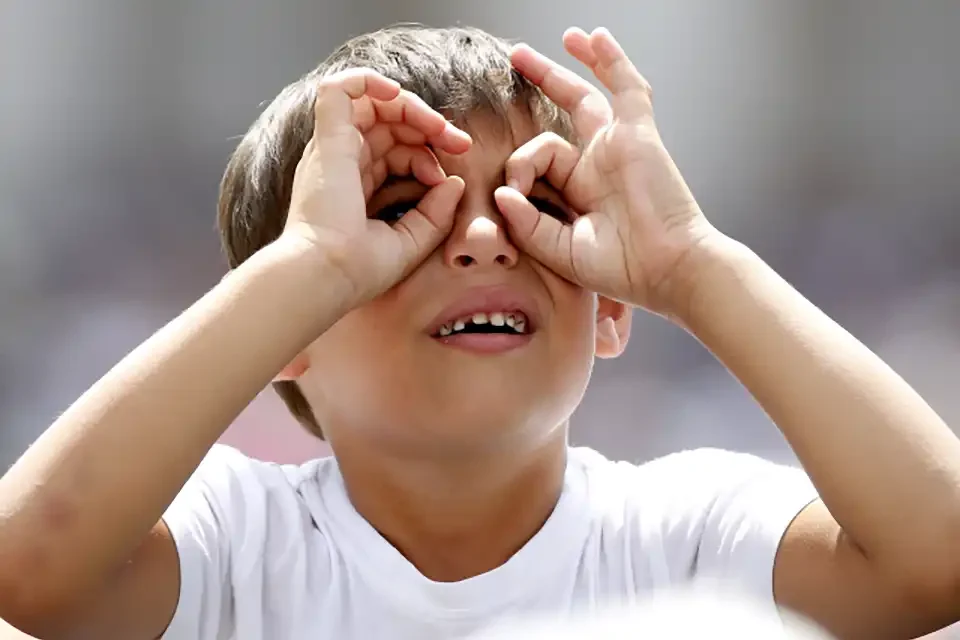
“Notice & Do” on its own is simply asking kids to look around a space to observe something that’s not put away. Or a pile of crumbs. Or something that looks gross. You can make it a game. With younger kids, put on “Noticing Goggles” (use your hands as binoculars) to look around a space. With older kids, hold an invisible detector, look around a space, and speed up your “beeps” when you see something out of place or dirty.
- Let’s look around the playroom before we go to bed and do a Notice & Do. (If they need help…) Oh – I see blocks over there.
- Everybody glance around the van for a Notice & Do before we head inside. (If they need prompts…) What trash could be thrown away? Did someone’s snack spill? What needs to be put in a bag or backpack?
- (After a clean-up…) I noticed something on the stairs that got overlooked.
- Look around the bathroom. (If they don’t notice anything…) What do you see in the sink? Or under the toilet seat?
Notice & Do. See how you might implement this in one small way in your family this week. Lots of reminders and praise will be needed. Change will be slow. But we CAN help our kids become more aware and proactive. Noticing is also foundational to the practices of gratitude and helping others.