
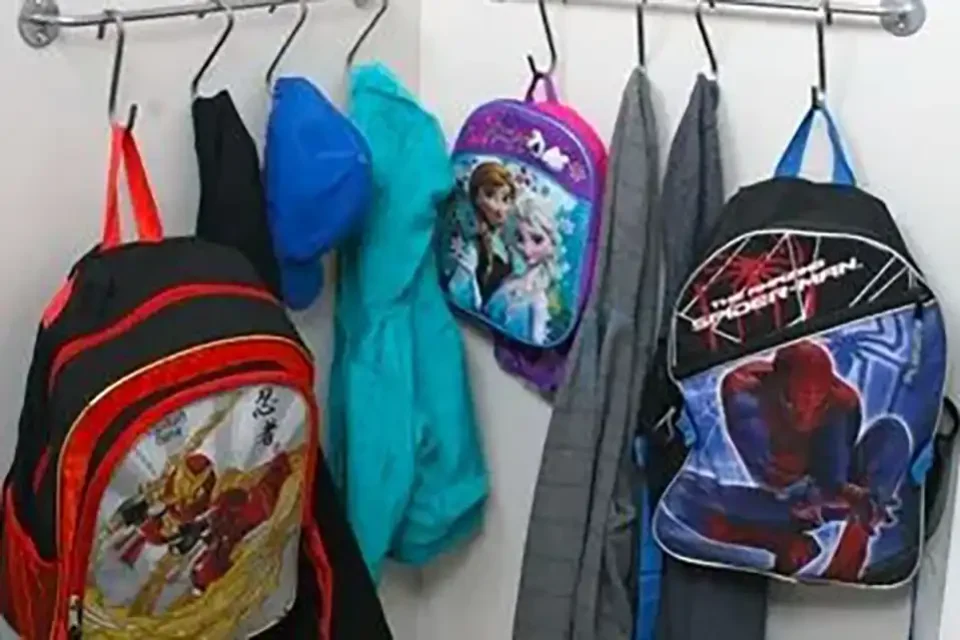
No advice about “how to best manage the time after the kids are home from school” works every day. Or works the same for every kid. Or for every season of life. Yet most of us DO want positive interactions with our kids, no matter how exhausted we are or how calm or combative they are when we reconnect with them after school and work.
Countless resources offer all kinds of creative questions to help kids open up – and thus help parents learn about kids’ experiences and feelings. But consider this from Lindsay Braman, a counselor and artist in St. Louis: “Question and answer conversations tend to soothe parents with information, but they can stress some kids who don’t want to have to report, perform, or explain.”
Perhaps questions don’t stress your kids, but she suggests that parents think more along the lines of stating observations. Observations don’t require a response but still communicate that we are present and listening. They allow kids to respond if they want. Here are her examples:
- Instead of “How was school?”… try “You look like you’ve had a long day.”
- Instead of “Did your test go OK?”… try “I was thinking about you during your math test.”
- Instead of “Did you do something fun at the end of the day?”… try “Your smile is SO big!”
- Instead of “Did you get along with other kids?”… try “I remember you were worried the other kids might not be friendly.”
It’s essentially about noticing and remembering. It’s a flexible mindset to have in conversation with our kids, not an expectation for them to initiate a full summary of their day.
Using this mindset may not seem helpful right away. Or with every kid. And it may take some trial and error to get better at it. But it can be one more tool in your toolbox. PLUS, it’s a habit that can be effective through their teen years and beyond. (It sounds like you had a frustrating day. That photo I saw on [their school’s social media page] sure looked like fun! I was thinking about you during your job interview.)
Honestly, it’s a helpful strategy to keep in mind for ALL our relationships (spouses, co-workers, siblings, etc.) Try observations or “I remember that…” statements before defaulting to questions.